
Choose a 120 V or 120/240 V generator for an off-grid inverter by matching its AC input, per-leg current, charging load, and site loads.
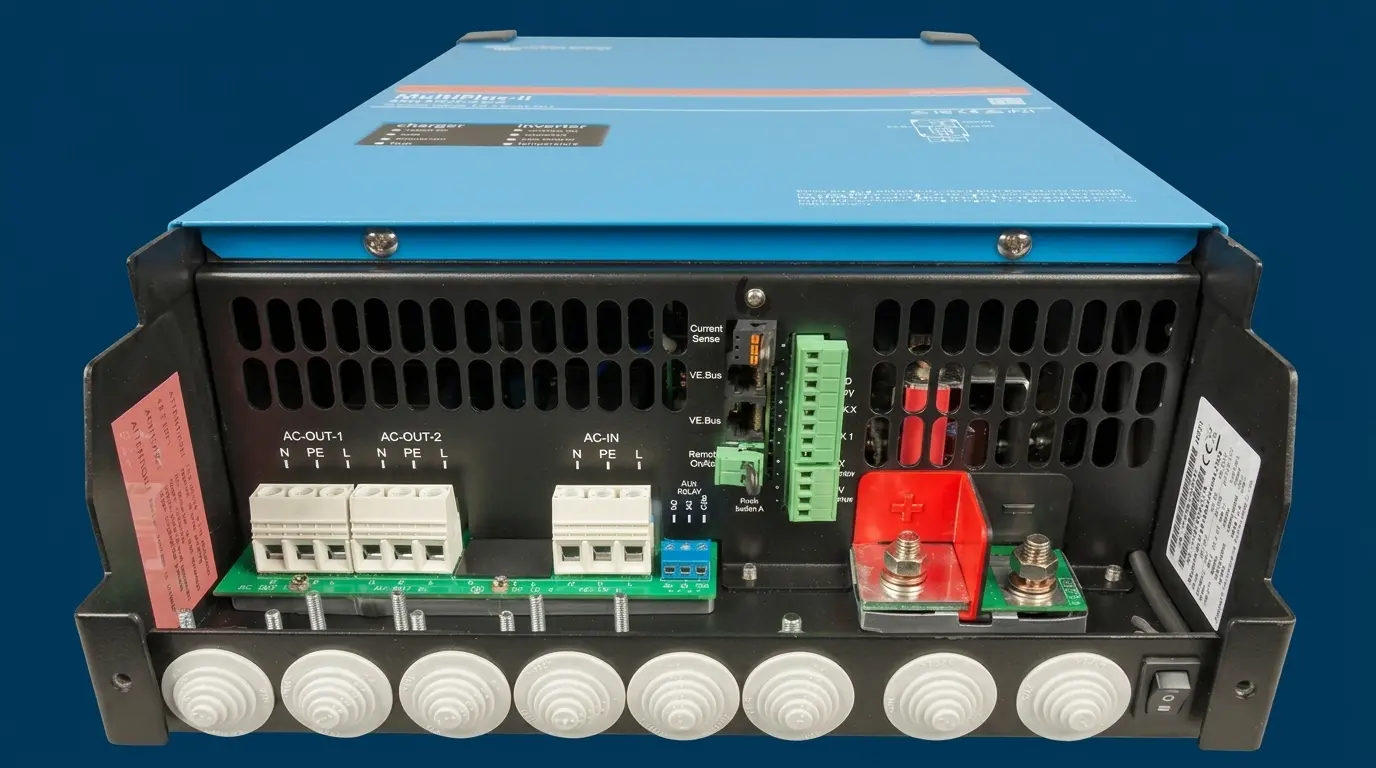
Discover blog posts focused on diesel generators designed for off-grid living and remote applications. Learn how to size, install, and maintain generators in areas without access to the utility grid. These articles explore topics like hybrid integration with solar, fuel efficiency, noise reduction, and real-world customer setups—helping you build a reliable, self-sufficient power system wherever you are.
Choose a 120 V or 120/240 V generator for an off-grid inverter by matching its AC input, per-leg current, charging load, and site loads.
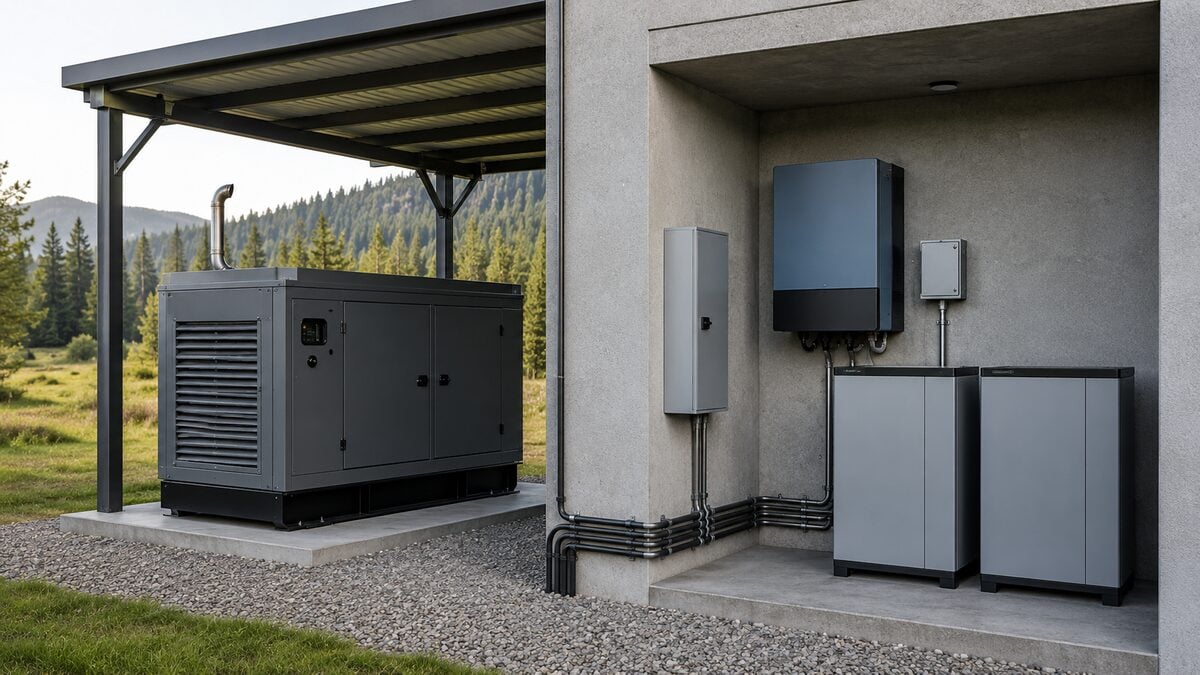
Learn how two-wire generator auto-start works with off-grid inverters, what to verify before wiring, and how to prevent failed starts, short cycling, and charging overload.
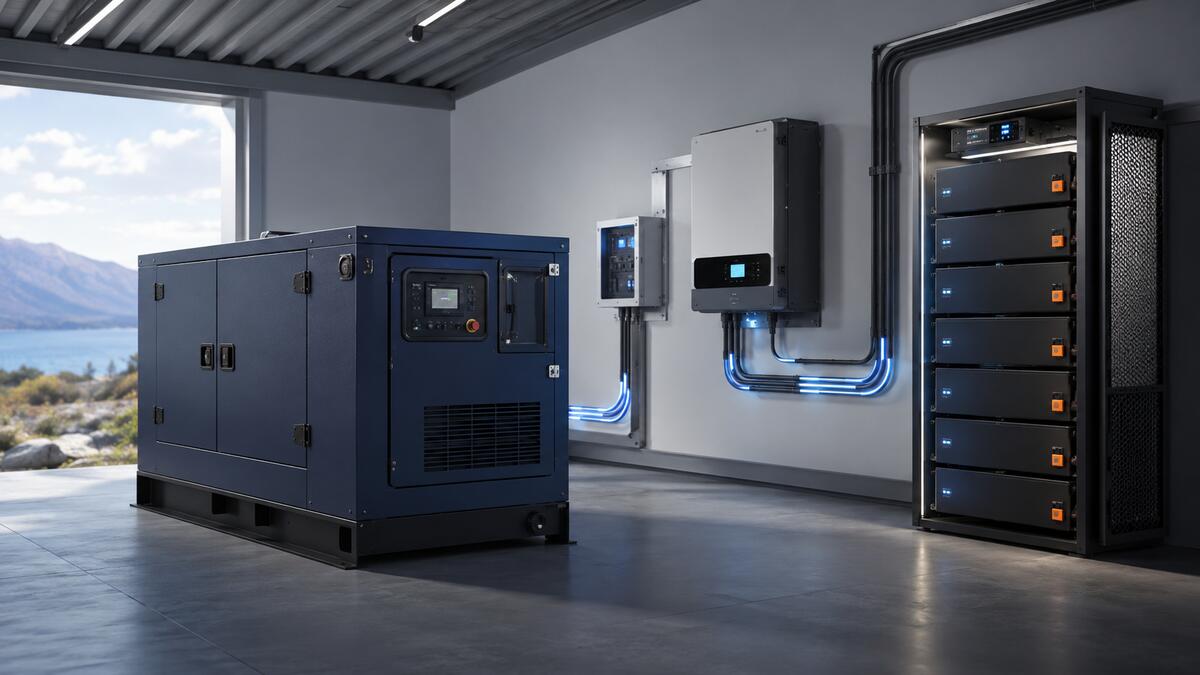
Learn why a generator overloads while charging batteries, how inverter-charger settings and power factor affect sizing, and how to select a diesel generator for reliable off-grid charging.
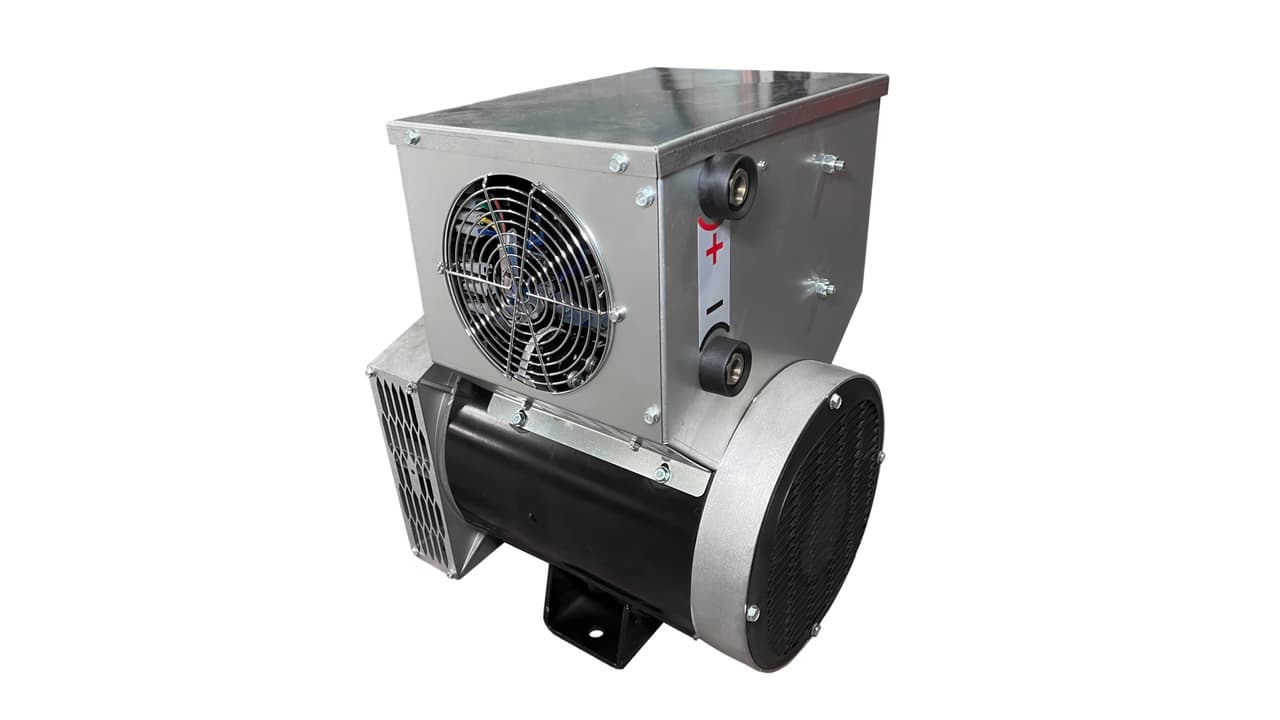
DC generators efficiently charge batteries by providing regulated direct current at matching voltages. They feature voltage regulation and battery monitoring to prevent overcharging, with important charging stages for battery longevity. Common voltages include 12V, 24V, and 48V, suitable for off-grid and telecom applications, including safe charging of lithium batteries.

These are just some reasons why many people supplement their solar power system with a reliable power generator.
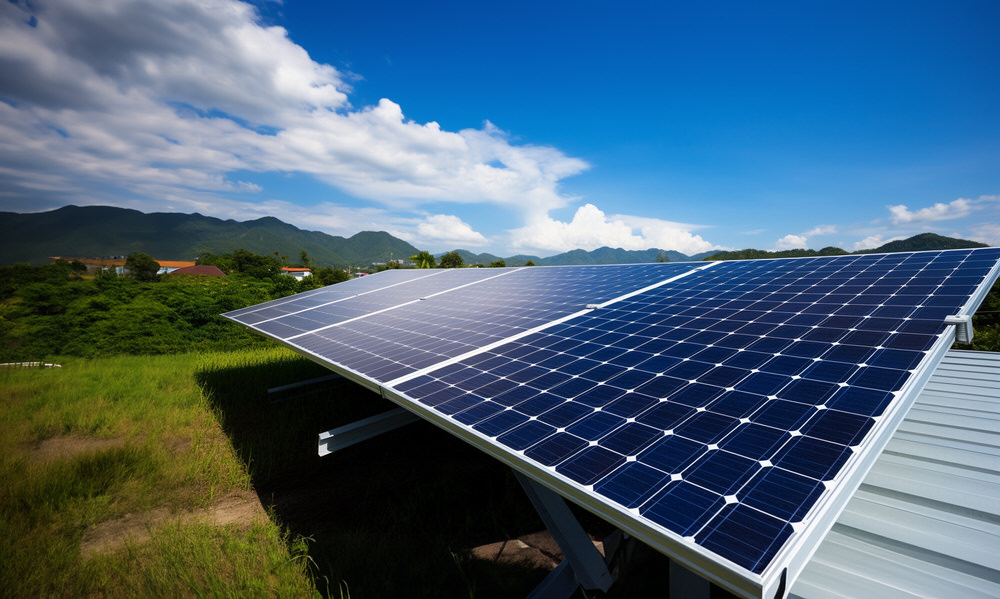
Many depend on generators to help when there is not enough power or your needs change. The right generator can be an inexpensive solution to help keep everything working normally.