
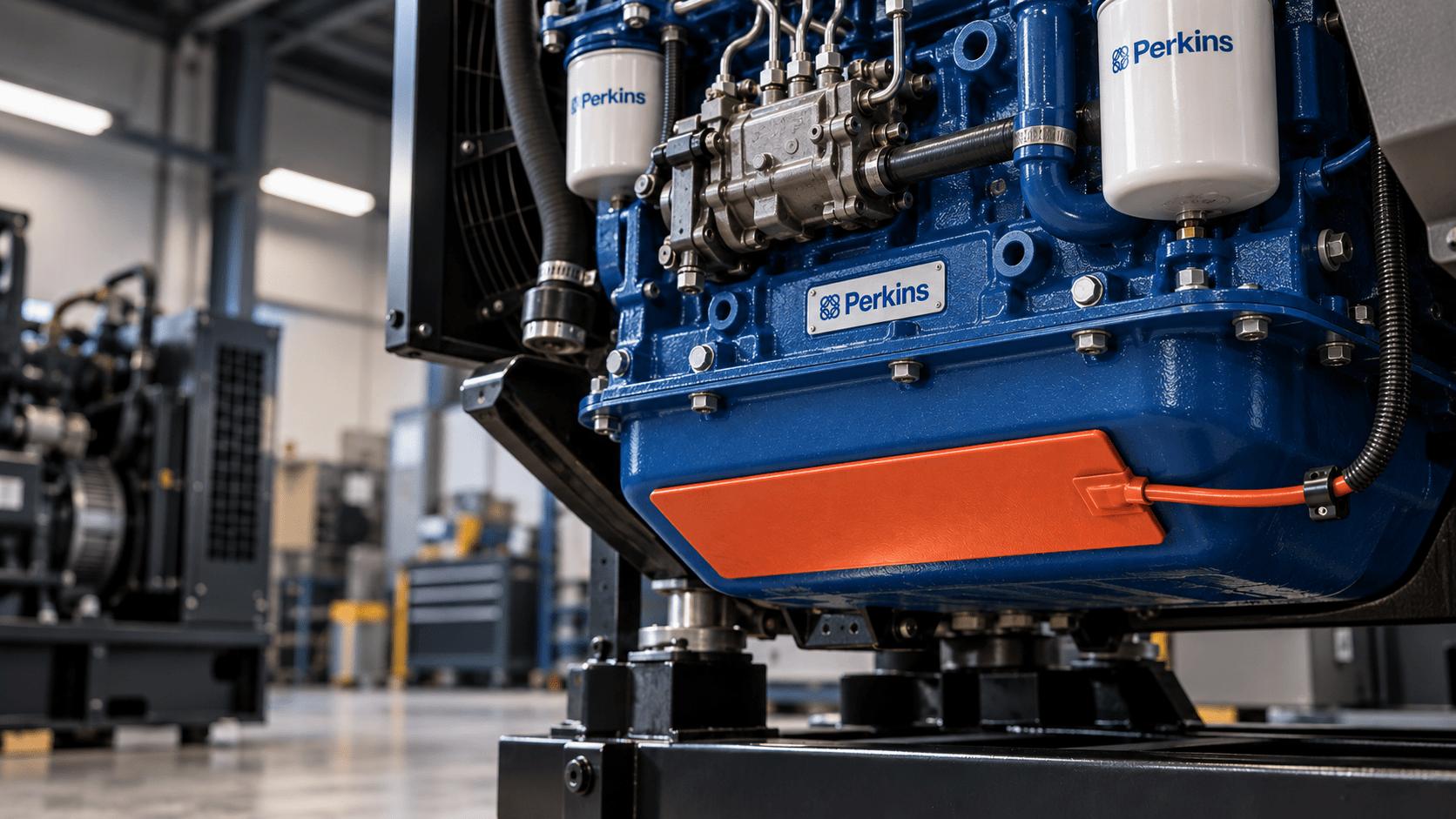
Learn how generator oil pan heaters, block heaters, and jacket-water heaters improve cold-start readiness, including power use, installation, advantages, and limitations.
Stay on top of generator maintenance with blog articles covering routine service, troubleshooting, and long-term care. From oil changes and filter replacements to load testing and battery checks, these posts provide actionable tips to keep your diesel generator running reliably. Whether you’re maintaining a home standby unit or a commercial system, our guides help extend equipment life and prevent costly breakdowns.
Learn how generator oil pan heaters, block heaters, and jacket-water heaters improve cold-start readiness, including power use, installation, advantages, and limitations.
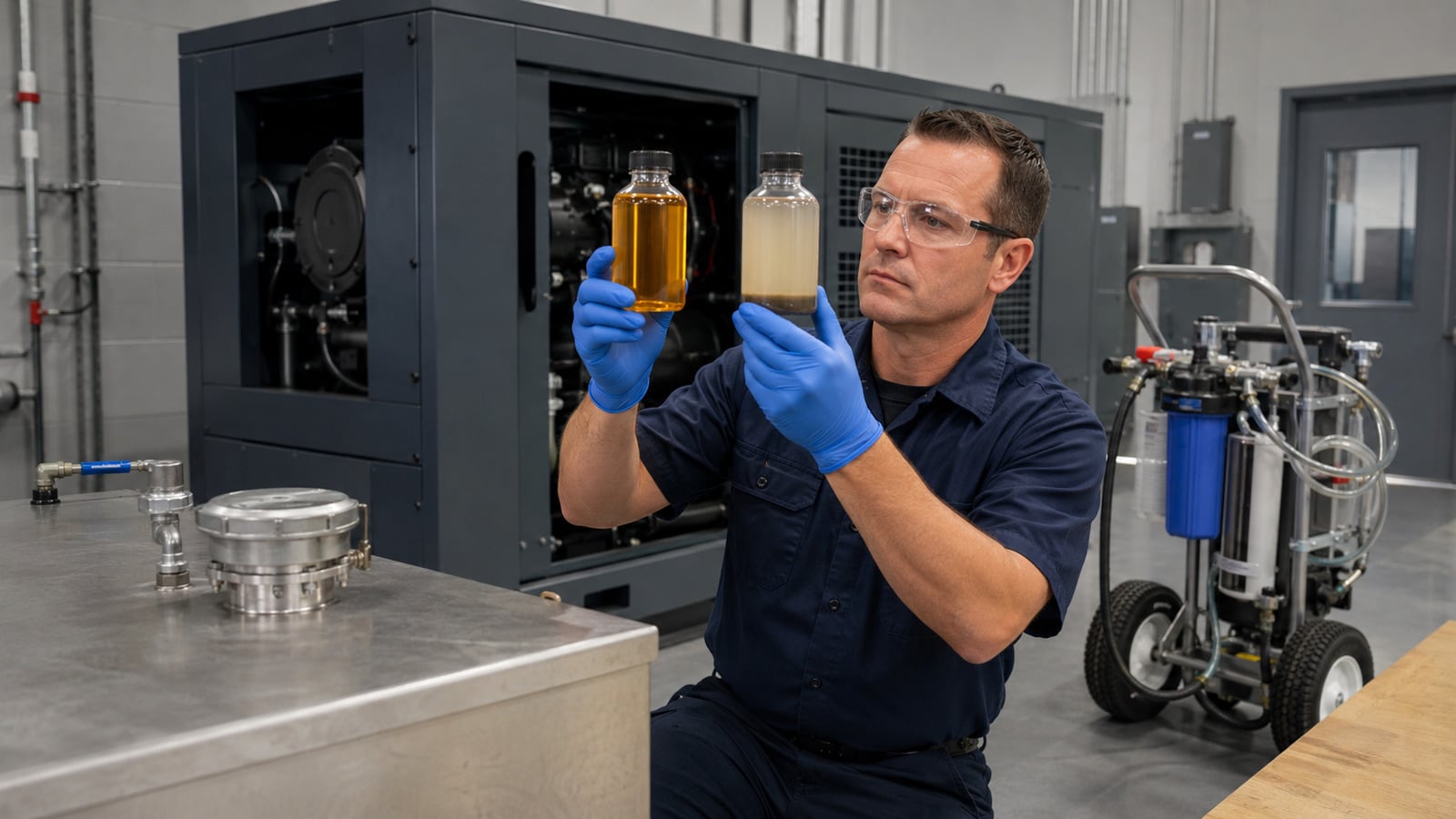
Learn when stored generator diesel needs testing, treatment, fuel polishing, tank cleaning, or replacement, and why a representative sample should guide the decision.
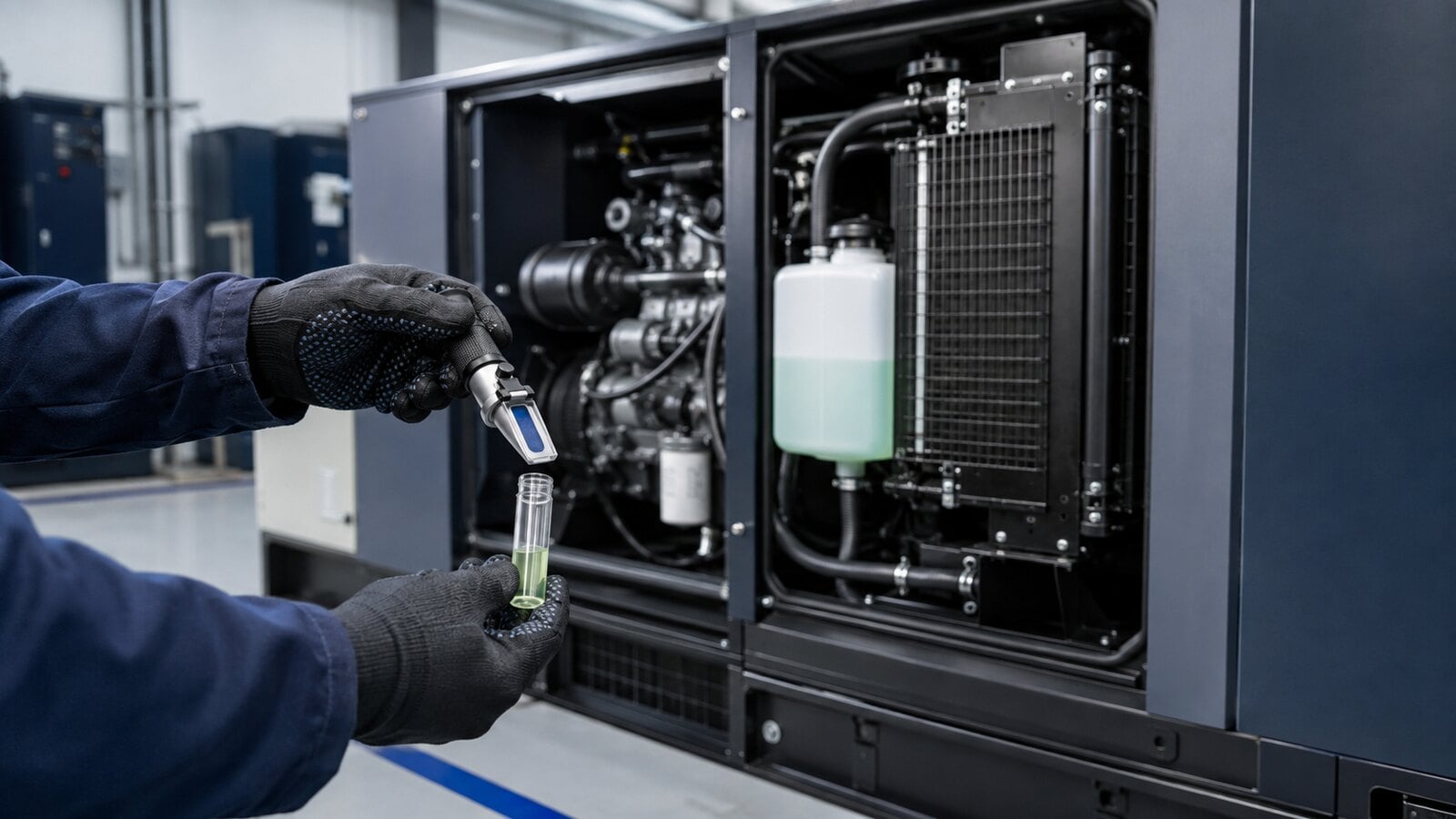
Coolant colour and reservoir level do not prove that a diesel generator is protected. Learn how to verify coolant type, freeze protection, inhibitors, contamination, and cooling-system condition without mixing incompatible chemistries.
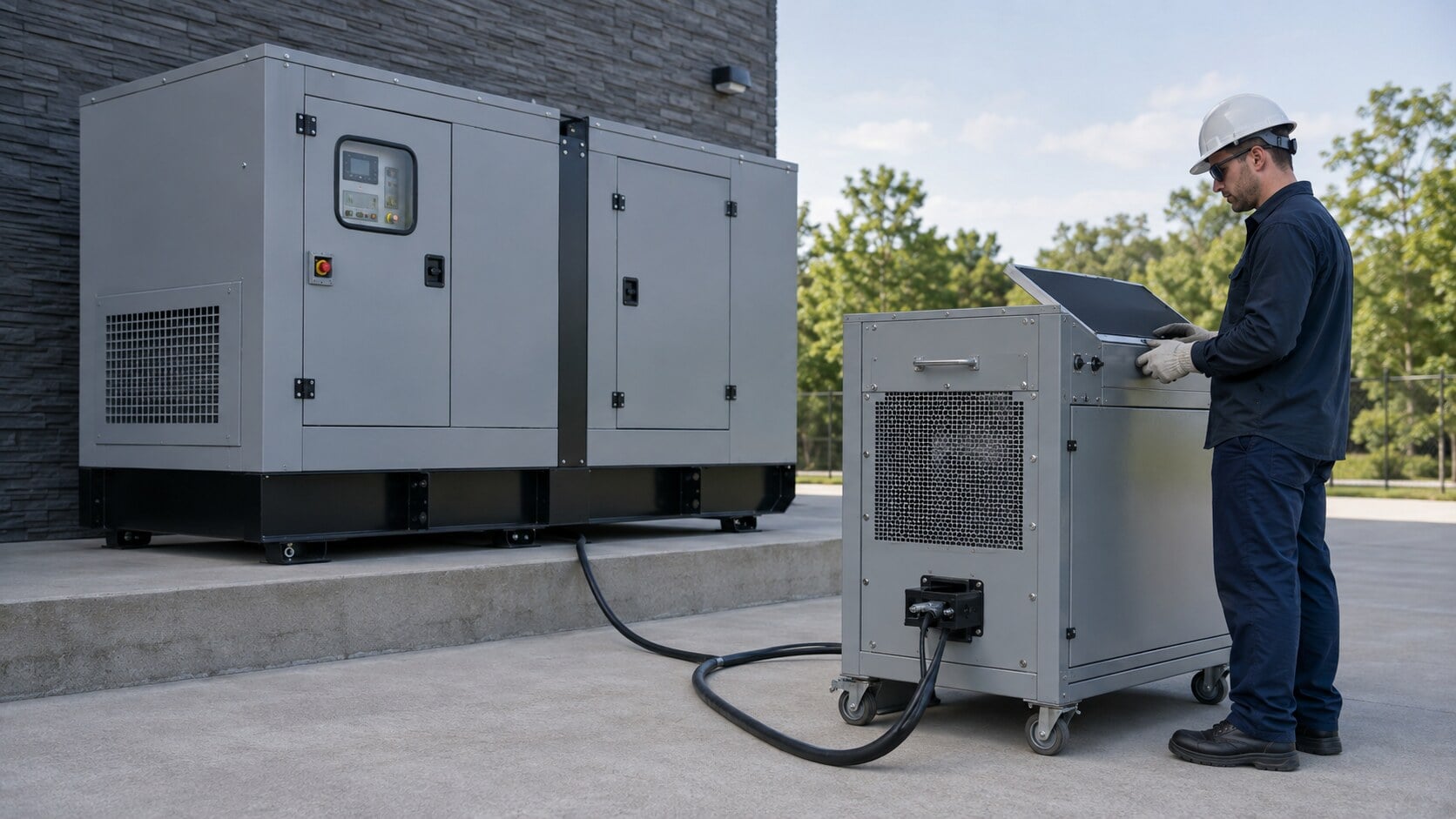
Learn when generator load-bank testing is useful for commissioning, periodic readiness checks, lightly loaded diesel sets, troubleshooting, and post-repair verification.
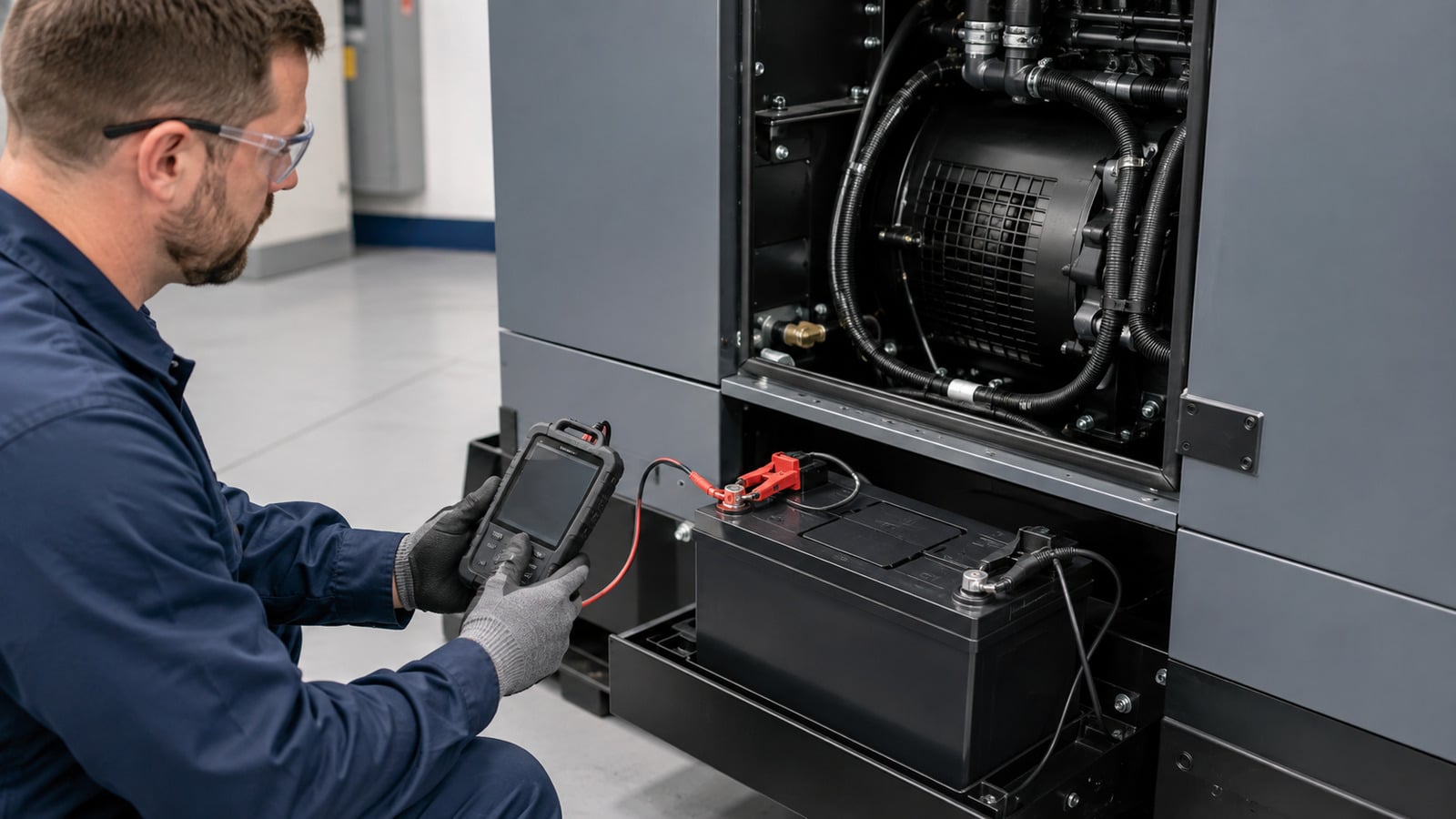
Learn why resting voltage alone cannot prove a generator battery can crank the engine, and how load, cranking, cable-drop, and charging checks improve diagnosis.
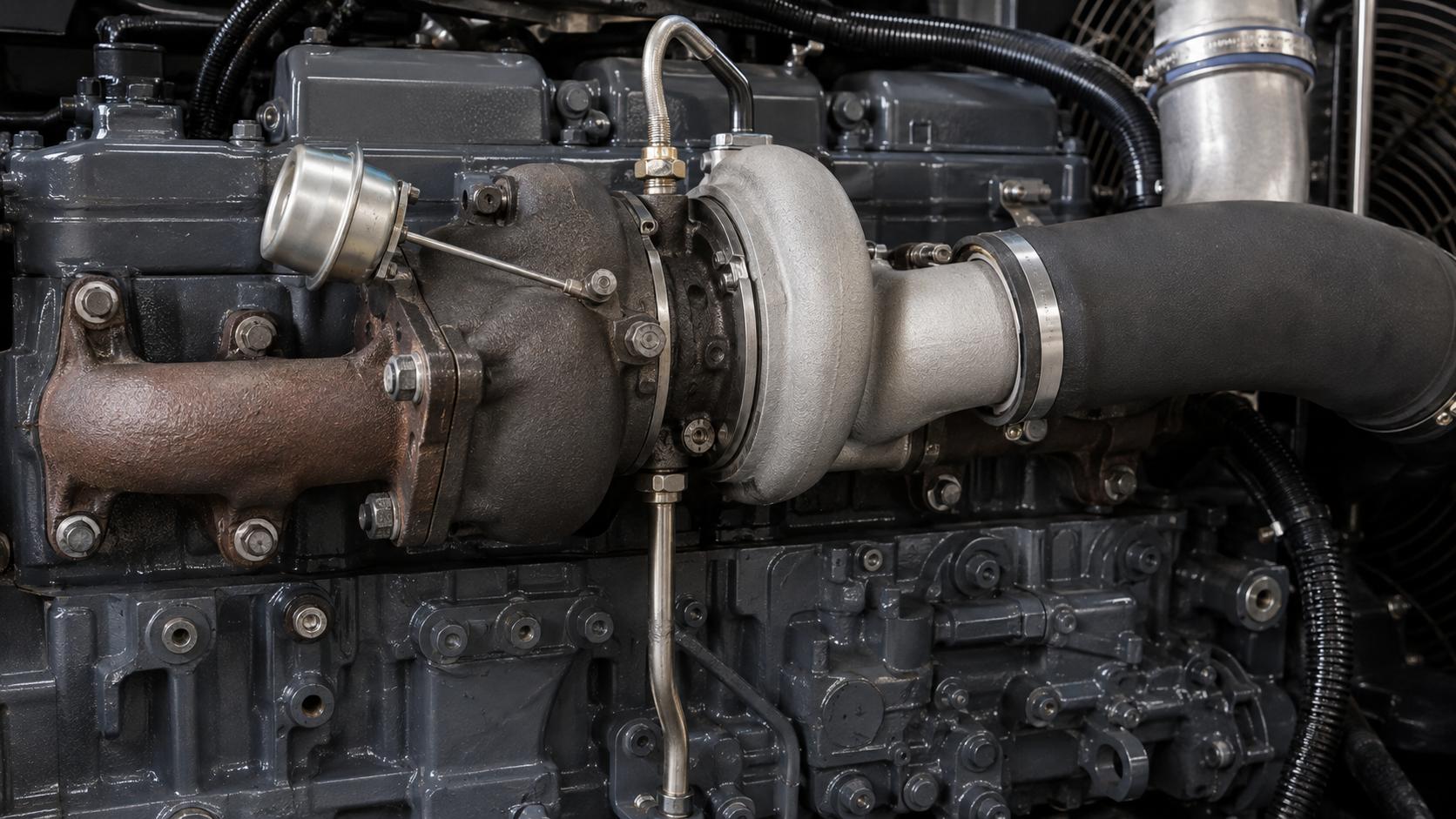
Learn when a diesel generator needs a cooldown delay, how controllers remove load before shutdown, and what to verify for turbo and remote systems.

Exercising a diesel-powered generator under load is vital for maintaining its health and efficiency. It ensures complete fuel combustion and prepares the generator for actual power outages. Regular testing under load for critical applications is crucial. Additionally, managing battery health and reviewing event logs can help keep the generator in optimal condition.
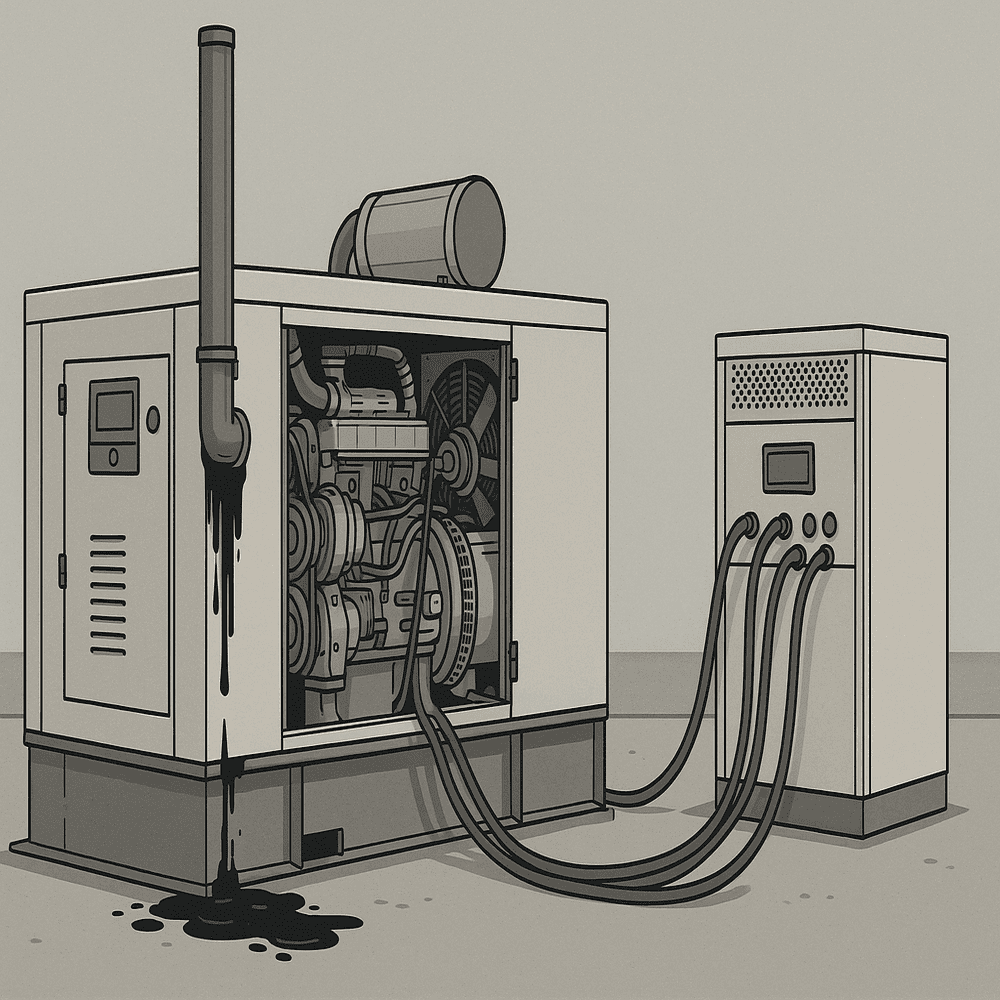
Discover how to prevent and remediate diesel engine wet stacking—learn the causes, damage risks, and best practices for load-banking, proper sizing, and maintenance.