
Keep your cattery charged!
As a responsible generator owner, one of the most crucial aspects of maintenance you must keep in mind is properly charging your generator battery. The battery is the heart of your generator, and its optimal functioning is crucial for the effective operation of your generator. In this blog post, we’ll delve deeper into the technical aspects of battery charging that you should be aware of to ensure that your battery is always fully charged and ready to start your generator when you need it.
First and foremost, you must understand that lead-acid starter batteries tend to self-discharge when nothing is connected. If you leave your generator idle for an extended period, the battery will slowly lose its charge. Battery discharge rate is about 1% per day at room temperature, 0.25% per day at 10 °C (50 °F), and 1.5% per day at 30 °C (86 °F). Self-discharge happens without anything connected to it.
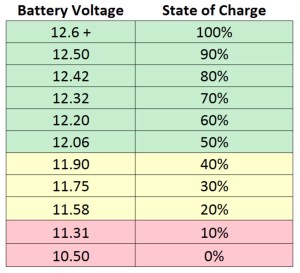
The state of charge of a battery is measured in cell voltages. For instance, a fully charged 12-volt battery will have a voltage of 12.6 volts, while a battery with a voltage of 12.06 volts is only 50% charged. Therefore, it’s vital to keep track of the state of charge of your battery to ensure that it’s always ready to start your generator when needed. Considering the battery is used for cold cranking, you want it fully charged.
The battery is recharged when the engine runs, just like on a vehicle but not on standby. When the motor runs, the alternator produces electrical energy that charges the battery. The charging process involves three stages: bulk, absorption, and float charge cycles. During the bulk stage, the charger provides the battery with as much current as it can safely handle. In the absorption stage, the charger reduces the current and maintains a constant voltage to fully charge the battery. Finally, during the float charge cycle, the charger keeps the battery at full charge level by supplying a small amount of current.
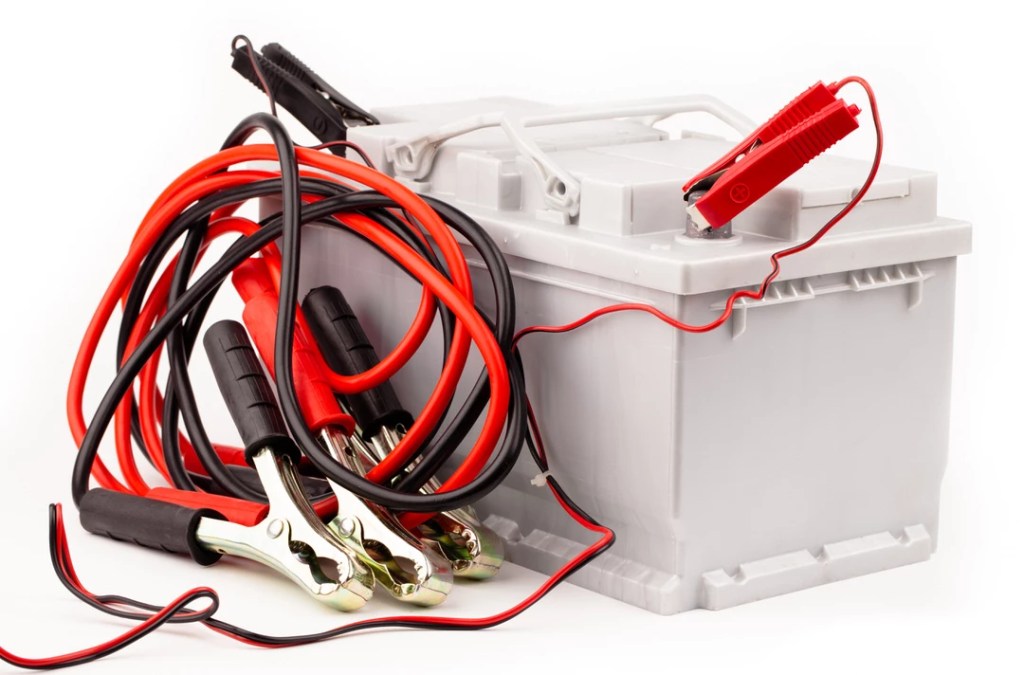
One of the benefits of adding an intelligent charger, which you can also purchase from AURORA, is that it can be plugged into a power source in your home and left connected full-time. An intelligent charger monitors the battery’s state of charge and adjusts the charging cycle accordingly. This ensures that your battery is always fully charged without overcharging, which can damage the battery. Additionally, overcharging can lead to the release of hydrogen gas, which can lead to an explosion or fire. So, stay away from other types of charges.
Another factor to consider is the effect of cold temperatures on the starter battery. Cold temperatures will reduce the battery’s capacity and increase its internal resistance, making it harder to start the generator. A charged lead-acid battery will not freeze because the electrolyte contains sulfuric acid, which lowers the freezing point of water. You can also use a battery warmer or blanket to maintain the battery’s temperature during cold weather. Aurora Generators sizes the battery, so fully charging it, even in cold weather, should allow you to start your generator. But, under extreme conditions or adding other factors, these little things can add to demanding starting conditions.
It is important to remember that glow plugs are heaters that also help start a cold engine, but they draw a lot of energy from your battery before you even try to crank it.
Running an engine to recharge a battery can be both wasteful and harmful to the environment. It can also cause unnecessary wear and tear on your machine, leading to costly repairs. Instead, consider investing in a battery charger powered by electricity from your home or other renewable sources. This way, you can ensure your battery stays charged without relying on your engine. Additionally, you can save money on fuel costs and reduce your carbon footprint by using a more sustainable battery charging method.
Share this:
- Print (Opens in new window) Print
- Email a link to a friend (Opens in new window) Email
- Share on Facebook (Opens in new window) Facebook
- Share on LinkedIn (Opens in new window) LinkedIn
- Share on Reddit (Opens in new window) Reddit
- Share on Pinterest (Opens in new window) Pinterest
- Share on Threads (Opens in new window) Threads
- Share on X (Opens in new window) X
- Share on Bluesky (Opens in new window) Bluesky