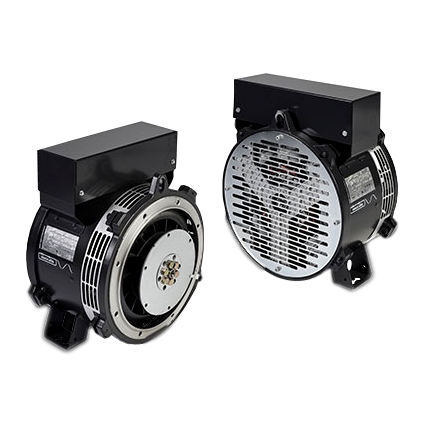
Discover common causes and solutions for generators not producing power. Learn how to restore residual magnetism and maintain your generator’s performance with our comprehensive troubleshooting guide.
Explore the technical aspects of diesel generator design and functionality.
Explain engine types, fuel efficiency, emissions control, and noise reduction.
Discuss advancements in generator technology and how they benefit customers.

Discover common causes and solutions for generators not producing power. Learn how to restore residual magnetism and maintain your generator’s performance with our comprehensive troubleshooting guide.

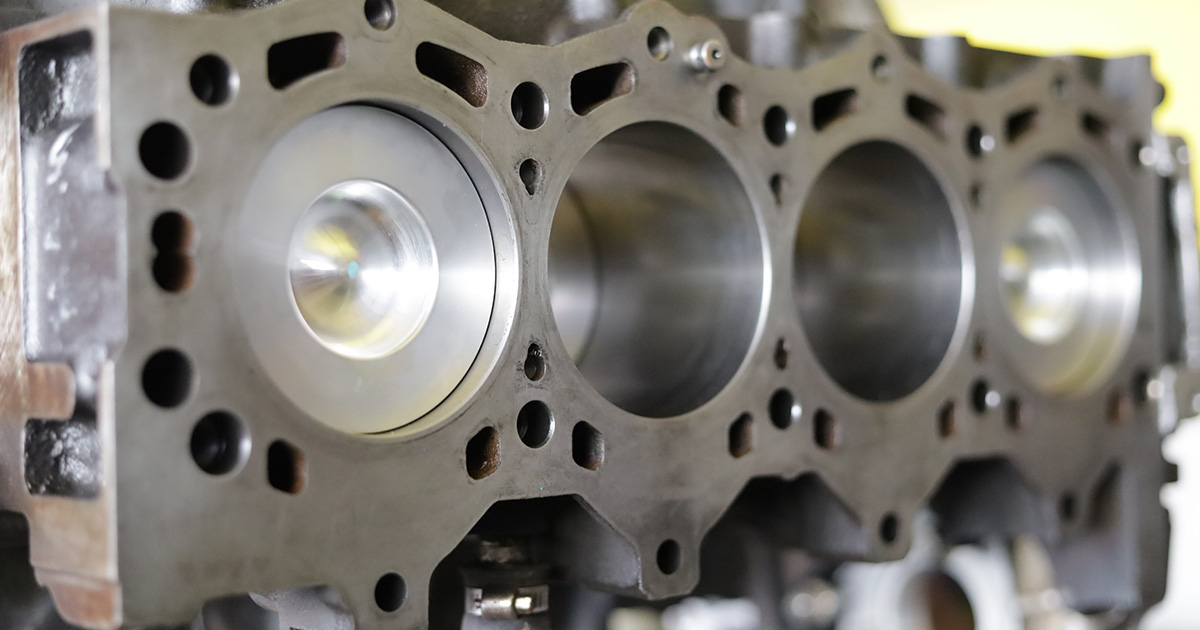
The break-in period for a diesel engine is crucial for allowing the engine to form a tight seal, preventing fuel and gases from escaping while preserving lubrication. Moderate load and heat during this period ensure proper piston ring mating, leading to enhanced performance, reduced oil consumption, and extended engine life. Adhering to these procedures maximizes efficiency, performance, and longevity.

Don’t let power outages disrupt your life. Learn how owning a backup generator can safeguard your essential functions and ensure a continuous power supply.

Overheating is the most common cause of generator failures. Preventing it can save you from costly downtime and expensive repairs. Here are some strategies to help you maintain your generator’s performance even in sweltering heat.

Discover the shocking reason why your natural gas generator might fail after an earthquake. Learn how seismic shutoff valves can leave you powerless for days, weeks, or even months. Find out what you can do to stay prepared and ensure your backup power is always reliable.

Single-phase and three-phase generators provide power differently. The most obvious evidence of this is seen in power delivery. Both types provide AC power, but a three-phase system produces three separate waves of power, delivered in sequence.