
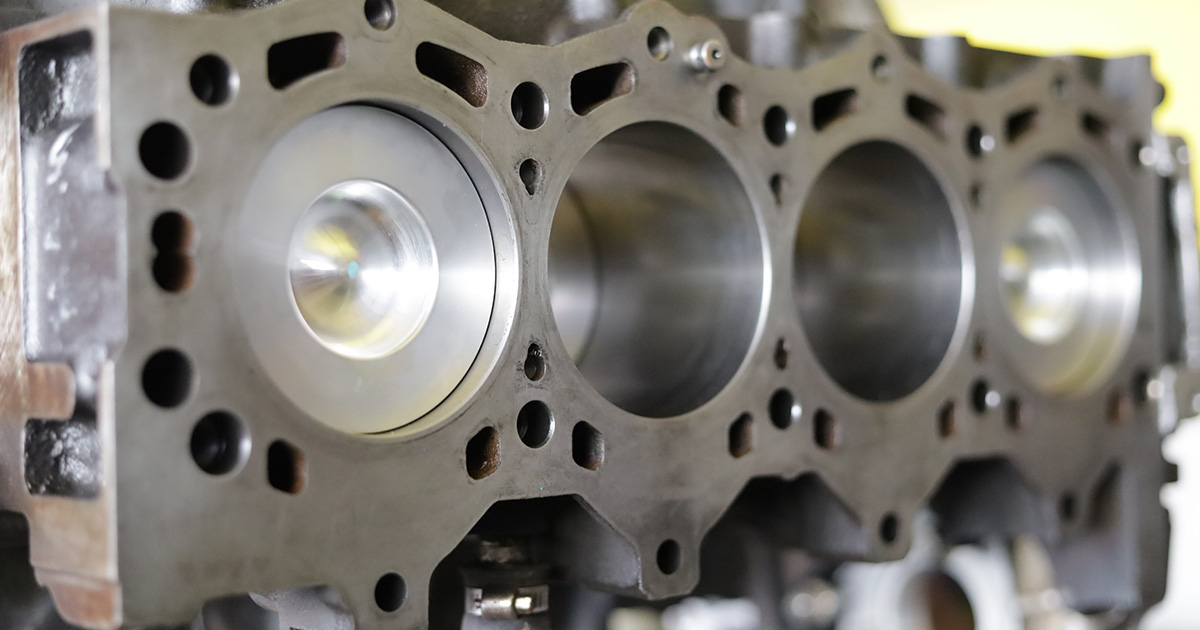
The break-in period for a diesel engine is a crucial phase that allows the machined surfaces within the engine combustion chamber to conform to each other’s shape. This process helps create a tight seal essential for preventing the escape of unburned fuel and pressurized gases from entering the crankcase. Additionally, it prevents engine lubrication oil from seeping into the combustion chamber. It is normal to see a small amount of engine oil consumed in new engines, but it is vital that this oil loss does not continue after the engine has been properly broken in.
Why is the Break-In Period Important?
During the break-in period, moderate heat, friction, and resulting wear allow the piston rings to “mate” with the cylinder walls. Running the generator engine under very light or no load at all can prevent the oil film on the cylinder wall from being properly scraped away by the piston rings. This can lead to glazing, a hard deposit on the cylinder wall, which prevents the piston rings from creating a proper seal. Consequently, this results in a loss of power and engine lubrication oil, leading to increased engine wear due to contaminated oil.
The Process of Engine Break-In
Even the most advanced engines with high-precision parts cannot achieve a perfect fit without a proper break-in period. The key to an adequate break-in is to apply a moderate load of about 75% of the engine’s rating. This ensures enough heat and pressure for the break-in to occur effectively. The break-in period typically ranges from 100 to 200 hours.
Heat and Friction: When an engine is breaking in, significant heat from friction and wear occurs. It is essential to perform an oil and filter change sooner rather than later during this period.
Avoid Light Loads: Avoid running the engine for extended periods without sufficient loads, as the decreased heat and pressure prevent the engine piston rings from properly wiping away oil, leading to glazing.
Apply Moderate Loads: Working the engine under load increases the temperature and causes the piston rings to expand. This expansion helps the rings better fit and wear into the proper shape necessary for optimal performance when the engine is required to work hard in the future.
Benefits of a Proper Break-In
A well-executed break-in period ensures several long-term benefits for your diesel engine:
- Improved Sealing: A proper break-in creates a tight seal between the piston rings and cylinder walls, reducing the risk of unburned fuel and pressurized gases entering the crankcase.
- Enhanced Engine Performance: By avoiding glazing and ensuring the piston rings fit correctly, the engine maintains its power and efficiency.
- Reduced Oil Consumption: Once the break-in is complete, the engine should consume minimal oil, preserving its lubrication and reducing wear.
- Extended Engine Life: Proper break-in minimizes engine wear and tear, resulting in a longer lifespan for your engine.
Conclusion
The break-in period is a critical phase in the life of a diesel engine. By following the proper procedures and applying moderate loads, you ensure that the engine’s components conform to each other, creating a tight seal and optimizing performance. Remember to monitor oil levels and change the oil and filter as needed during this period. With the right approach, you can maximize the efficiency, performance, and longevity of your diesel engine.
Share this:
- Print (Opens in new window) Print
- Email a link to a friend (Opens in new window) Email
- Share on Facebook (Opens in new window) Facebook
- Share on LinkedIn (Opens in new window) LinkedIn
- Share on Reddit (Opens in new window) Reddit
- Share on Pinterest (Opens in new window) Pinterest
- Share on Threads (Opens in new window) Threads
- Share on X (Opens in new window) X
- Share on Bluesky (Opens in new window) Bluesky