
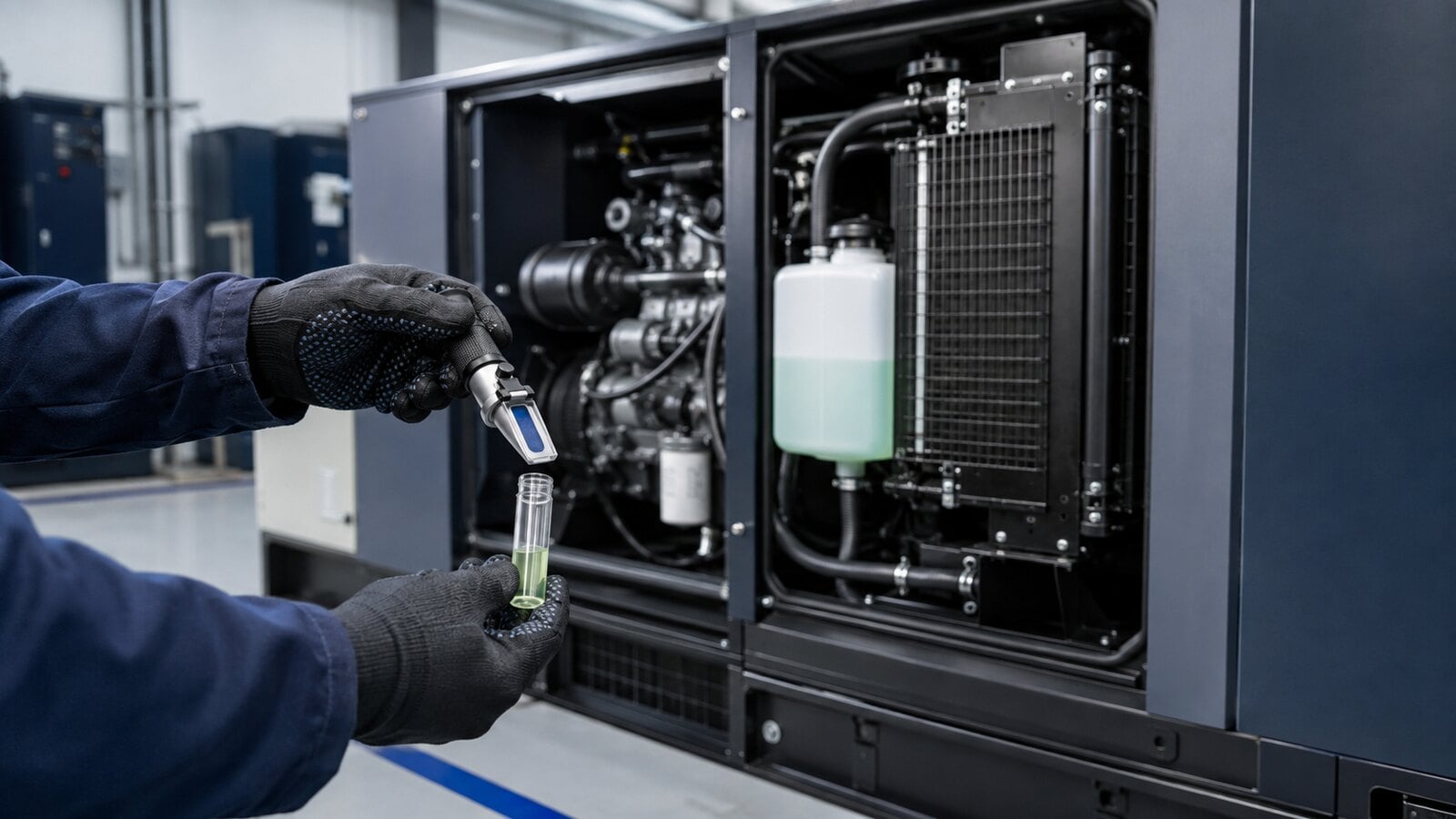
Coolant colour and reservoir level do not prove that a diesel generator is protected. Learn how to verify coolant type, freeze protection, inhibitors, contamination, and cooling-system condition without mixing incompatible chemistries.
Discover expert tips and proven strategies for operating diesel generators in cold climates. From winter maintenance checklists to cold-start techniques and fuel treatment advice, our articles help you maximize performance and reliability in freezing temperatures. Whether preparing for winter storms or powering off-grid cabins, explore how to keep your diesel generator running smoothly all season long.
Coolant colour and reservoir level do not prove that a diesel generator is protected. Learn how to verify coolant type, freeze protection, inhibitors, contamination, and cooling-system condition without mixing incompatible chemistries.

Gelling starts to occur at a specific temperature known as the cloud point. It is coined after the white haze or “cloud” that appears as paraffin wax crystallizes. For example, #2 diesel fuel has a cloud point of 14 degrees Fahrenheit or -10 degrees Celsius.
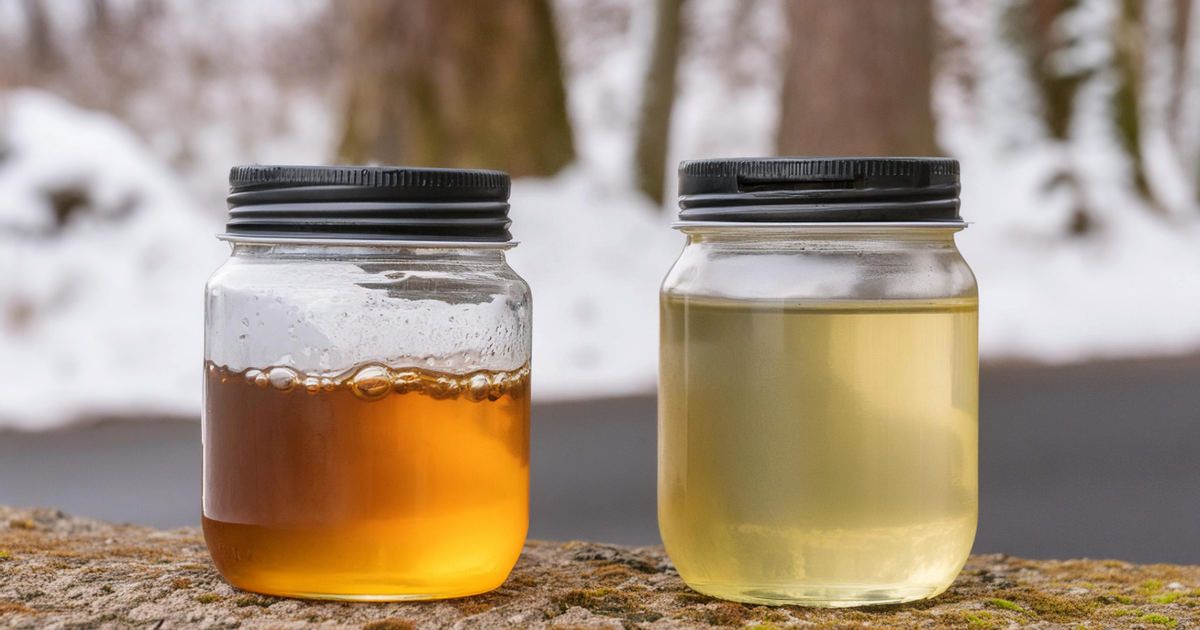
Before diesel fuel enters an engine, it passes through a filter to strain out impurities. This filter is an incredibly important part of your engine, but it’s also a prime target for cold weather to wreak havoc. A naturally occurring substance in #2 diesel fuel is called paraffin wax. Under normal conditions, this wax remains in liquid form, so it’s harmless to your equipment. The problem occurs when cold temperatures cause paraffin wax to solidify and bind together into larger crystals that can’t flow through the filter. So when diesel users talk about gelling, they are referring to this issue.