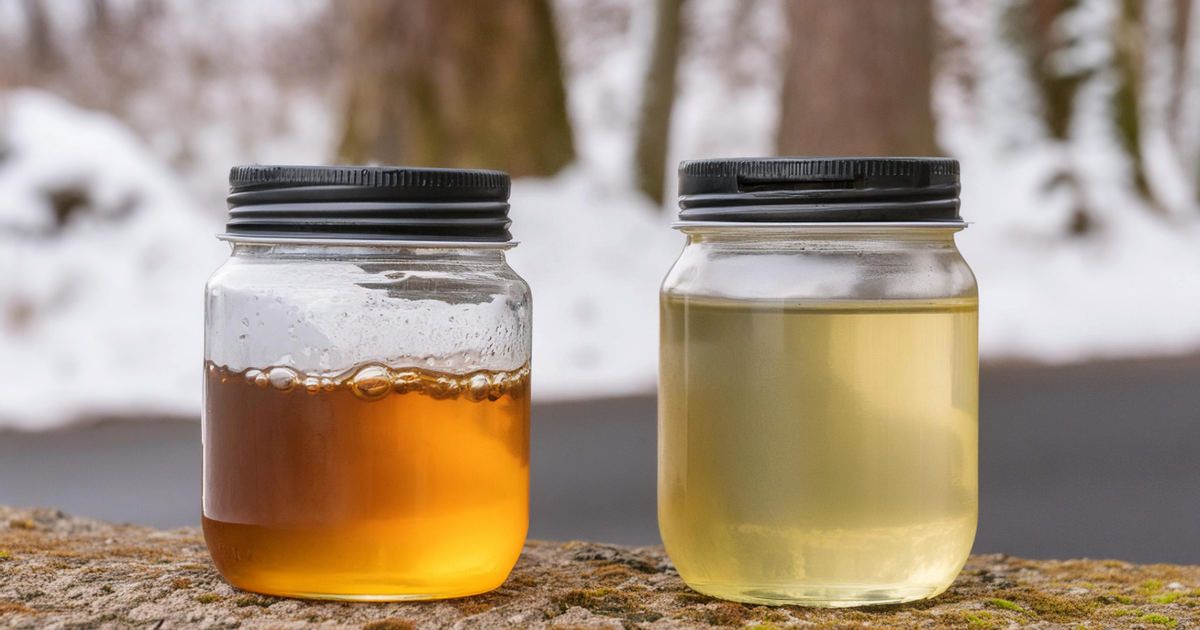
Before diesel fuel enters an engine, it passes through a filter to strain out impurities. This filter is an incredibly important part of your engine, but it’s also a prime target for cold weather to wreak havoc. A naturally occurring substance in #2 diesel fuel is called paraffin wax. Under normal conditions, this wax remains in liquid form, so it’s harmless to your equipment. The problem occurs when cold temperatures cause paraffin wax to solidify and bind together into larger crystals that can’t flow through the filter. So when diesel users talk about gelling, they are referring to this issue.


You must be logged in to post a comment.