
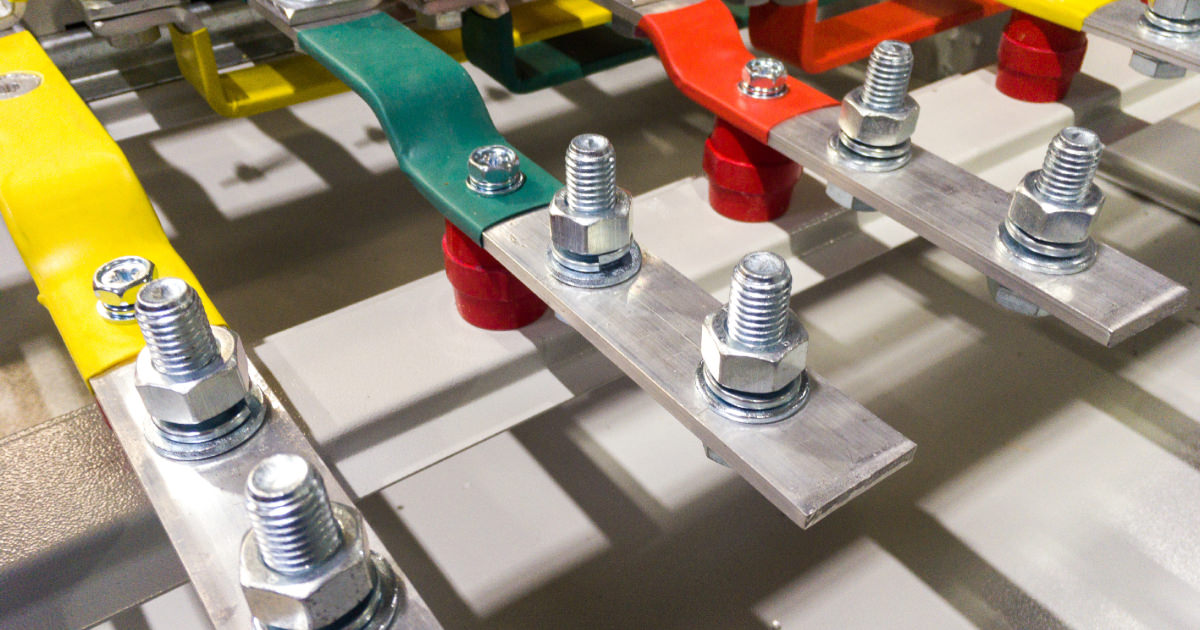
Understanding Single-Phase and Three-Phase Systems in Electric Circuits
Single Phase – Typically for Residential Use
Three Phase – Primarily for Industrial Use
Single-phase and three-phase generators differ significantly in how they deliver power. This distinction is most evident in their power delivery mechanisms. Both types generate AC power, but a three-phase system produces three separate energy waves delivered in sequence. This sequential delivery ensures a continuous, uninterrupted flow of power that never drops to zero, making three-phase generators more robust and powerful than single-phase generators.
Single-Phase Generators
Single-phase generators provide a single, constant wave of power. However, the power level varies with the incoming electrical current. During each cycle, the power level can drop to zero momentarily. This fluctuation happens so rapidly that it is undetectable by humans and rarely impacts the performance of household devices. Residential power is typically single-phase, and it efficiently powers all home appliances. However, in applications requiring large and consistent power, this dip can be detrimental, which is why three-phase systems are used in such scenarios.
Three-Phase Generators
Three-phase generators deliver power through three waves that are offset in time, ensuring that the total power provided never falls to zero. To visualize this, imagine a wave: in a single-phase system, the wave starts at zero, rises to its peak, and returns to zero before the next wave begins. In a three-phase system, the three waves are staggered. Each wave individually rises and falls like a single-phase wave, but because they are offset, their combined power is more consistent and never drops to zero. This overlapping of waves ensures a continuous flow of power and distributes the load across three phases, reducing the strain on any single wave.
Determining Your Power Needs
Consider your power requirements and budget when deciding between a single-phase and a three-phase generator.
Single-Phase Systems:
- Less complex and more affordable
- Commonly used in residential or rural settings
- Suitable for smaller loads
Three-Phase Systems:
- More complex and costly to install and maintain
- Necessary for high-capacity applications
- Ideal for industrial and commercial environments
Three-phase systems are particularly beneficial in settings that require substantial and reliable power, such as data centers. These systems can distribute power across multiple racks, unlike single-phase systems, which are limited in their capacity to power multiple high-demand devices simultaneously.
In summary, the choice between single-phase and three-phase generators depends on your specific power needs. Single-phase systems are sufficient for most residential applications, while three-phase systems are essential for industrial and commercial uses requiring high-capacity power distribution.
Share this:
- Print (Opens in new window) Print
- Email a link to a friend (Opens in new window) Email
- Share on Facebook (Opens in new window) Facebook
- Share on LinkedIn (Opens in new window) LinkedIn
- Share on Reddit (Opens in new window) Reddit
- Share on Pinterest (Opens in new window) Pinterest
- Share on Threads (Opens in new window) Threads
- Share on X (Opens in new window) X
- Share on Bluesky (Opens in new window) Bluesky