
Canada's Looming Power Problems

Canada’s Looming Power Problem Is Massive, Not Insurmountable

Canada's Looming Power Problems

Add Your Heading Text Here

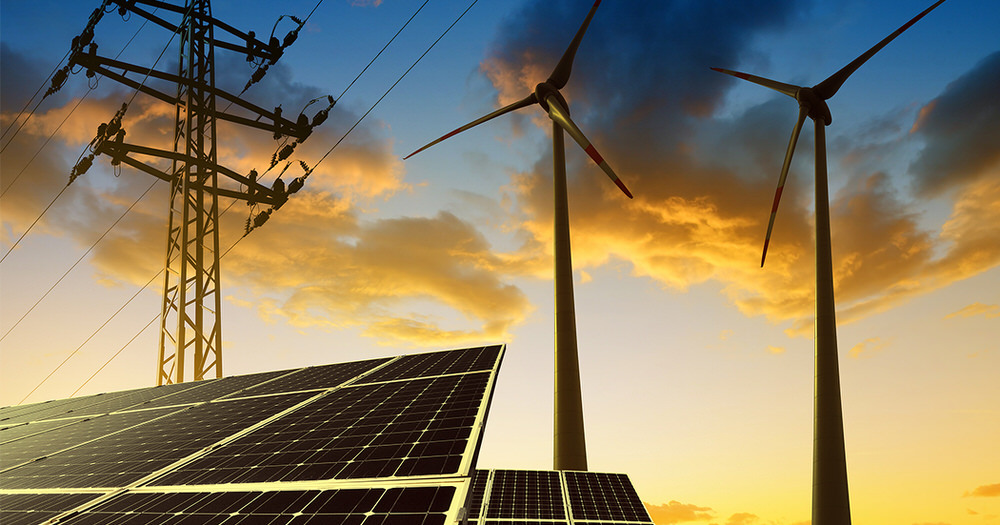
Canada is facing a major challenge in meeting its climate goals. To achieve net-zero emissions by 2050, the country will need to build more electricity generation in the next 25 years than it has over the last century. This will require doubling, or possibly tripling, the amount of power we make now and will cost trillions of dollars.

The report also said that Canada needs to improve its cross-jurisdictional cooperation, Indigenous consultation, and speed of decision-making and construction to meet this challenge. Electricity generation is a provincial responsibility, and there are significant differences in how different provinces generate and use electricity. For example, Quebec relies heavily on hydroelectric power, while Alberta relies heavily on coal and natural gas.

The federal government is expected to publish new regulations later this summer that will require all power to be generated from non-emitting sources by 2035. This will mean significantly changing the current power mix, as four provinces still rely heavily on coal or natural gas for their electricity. The premiers of Alberta and Saskatchewan have already said that they will not meet the 2035 deadline and are instead aiming for 2050. The federal government has suggested that there may be some flexibility but has not yet explained what that means.
All provinces are in the process of declaring their power plans for the next 30 years, and some have already made significant changes. For example, British Columbia plans to add 3,000 gigawatt hours of power generation every year starting in 2028. Ontario, on the other hand, is still relying on gas for some power but is also investing in new nuclear projects and wind and solar projects.
Canada is among the best in the world at keeping the lights on, but demand is growing faster than expected, and we’re not building new generation fast enough to keep up. This means we will have some tough choices in the coming years, as not all projects can be built at once, and not all demands will be met immediately.
For example, we will need to decide whether to prioritize meeting demand for electricity to power homes and businesses or to prioritize meeting demand for electricity to power electric vehicles and heat pumps. We will also need to decide how to balance the need for new electricity generation with the need to protect the environment.
The transition to a net-zero emissions economy will be a major challenge for Canada, but it is a challenge that we must meet. The report highlights the need for significant investment in new electricity generation, as well as the need for cross-jurisdictional cooperation and Indigenous consultation. By working together, we can build a clean energy future for Canada.

Press, T. C., & Rabson, M. (2023a, July 18). Charged up: Report says Canada’s looming power problem is massive, not insurmountable. CTVNews. https://www.ctvnews.ca/climate-and-environment/charged-up-report-says-canada-s-looming-power-problem-is-massive-not-insurmountable-1.6484319

Press, T. C., & Rabson, M. (2023, July 18). Charged up: Report says Canada’s looming power problem is massive, not insurmountable. CTVNews. https://www.ctvnews.ca/climate-and-environment/charged-up-report-says-canada-s-looming-power-problem-is-massive-not-insurmountable-1.648431

Leave a Reply

Discover more from Aurora Generators

Subscribe now to keep reading and get access to the full archive.

Continue reading

Discover more from Aurora Generators

Subscribe now to keep reading and get access to the full archive.

Continue reading