

Showing all 13 results
-
 $1,496.66
 -
$1,854.64
-
 From $853.96
 -
-
-
-
-
-
-
-
-
-
$2,248.04

Showing all 13 results
Generator Transfer Switches: Safe, Reliable Connection Between Your Generator and Home
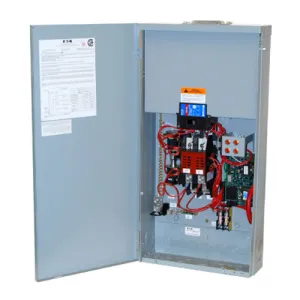
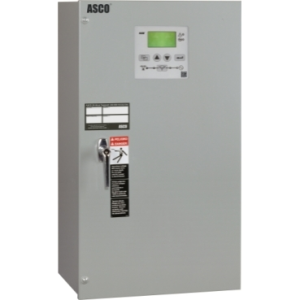
Generator transfer switches are the safest and most reliable way to connect a standby generator to your home or building. A properly selected transfer switch isolates your electrical system from the utility grid and automatically transfers power to your generator during an outage. This prevents dangerous backfeeding, protects utility workers, and helps keep your installation compliant with electrical codes.
Automatic transfer switches continuously monitor utility power. When an outage occurs, the switch signals the generator to start, transfers the load, and restores normal operation once utility power is restored. This process is automatic and typically takes only seconds. Generator transfer switches are used in homes, off-grid properties, farms, and commercial buildings where reliable backup power is essential.
Compatibility Matters: Avoid Limited or Proprietary Transfer Switches
Not all transfer switches are built the same. Many lower-cost switches bundled with some natural gas or propane generators lack key internal control logic. Instead of the transfer switch monitoring the utility feed and managing the transfer process, these simplified systems depend on the generator to “do the thinking.”
This can create real problems:
- Limited compatibility with other generator brands
- Less flexibility if your generator fails or you want to upgrade later
- More difficulty integrating with diesel generators or custom standby systems
- Higher risk of being locked into one brand’s ecosystem
In contrast, a fully featured automatic transfer switch includes its own monitoring and timing logic. That design supports broader compatibility and makes it easier to replace or upgrade your generator in the future.
Two-Wire Start Systems: The Industry Standard
Most professional standby generator systems use a two-wire start method. It’s a simple open-contact or closed-contact signal between the transfer switch and the generator controller.
In a typical setup:
- Utility power fails, and the transfer switch detects the outage
- The transfer switch closes or opens a contact (two-wire start signal)
- The generator starts and stabilizes
- The transfer switch transfers the load to the generator power
- When utility power returns and stabilizes, the switch transfers back, and the generator cools down and stops
If your existing switch uses a standard two-wire start (open/closed contact), it will work with most professional generators, including Aurora Generators.
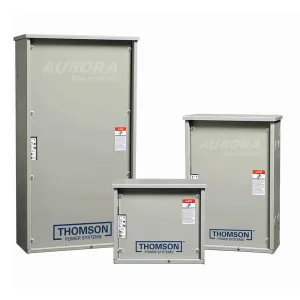
Common Sizes: 100 Amp, 200 Amp, and 400 Amp Transfer Switches
Transfer switches must be sized correctly for your electrical service. In most cases, the transfer switch should be the same size or larger than your main breaker panel.
| Transfer Switch Size | Common Use |
|---|---|
| 100 Amp | Smaller homes, cabins, off-grid properties |
| 200 Amp | Most residential homes in North America |
| 400 Amp | Large homes, farms, estates, and many commercial buildings |
Even if your utility service is 100-amp, a 200-amp transfer switch is often chosen because it is more readily available and leaves room for future upgrades and expansion.
NEMA Enclosures: Indoor vs Outdoor Transfer Switches
Transfer switches are commonly sold with different enclosure ratings depending on where they will be installed:
- NEMA 1: Indoor use (typically inside a mechanical room, utility room, or electrical room)
- NEMA 3R: Outdoor use (rain-resistant enclosure designed for exterior installations)
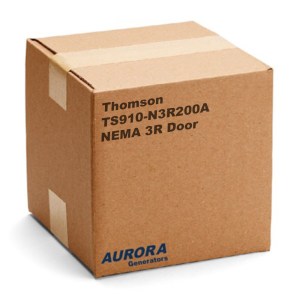
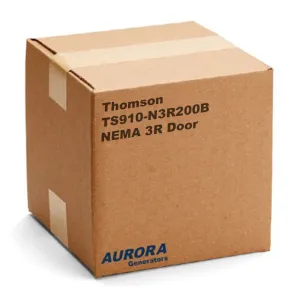
Some NEMA 1 transfer switches can be upgraded for outdoor environments by adding a NEMA 3R-rated door. This is common with certain product lines where the internal switch is the same, but the enclosure and door determine the weather protection level.
Tip: Always choose the correct enclosure rating for the installation location. Indoor-only enclosures are not recommended outside. Outdoor-rated enclosures help protect the switch from rain, snow, and corrosion exposure.
Service Entrance Rated Transfer Switches
A Service Entrance Rated transfer switch is designed to be installed at the point where utility power first enters the building (the “service entrance”). These switches include features that allow them to function as the main service disconnect in many installations.
You may need a service entrance-rated transfer switch when:
- The transfer switch is installed ahead of your main breaker panel
- The transfer switch will be the first means of disconnect for the building
- Your installation requires a single main disconnect at the service entrance location
- You are replacing or reworking equipment in a way that changes where the main disconnect is located
Examples of where service entrance-rated switches are commonly used:
- New construction where the transfer switch is placed between the utility meter and the main distribution panel
- Retrofits where the existing service equipment is being updated, and the transfer switch will become the first disconnecting means
- Installations that use meter-main style configurations, or where local code/inspection requires a service-rated device at the entry point
If you are unsure, your electrician or a local electrical inspector can confirm whether a service-entrance-rated transfer switch is required for your layout. Choosing the correct rating up front avoids rework during inspection.
Generator Transfer Switch FAQ
What size generator transfer switch do I need?
Your transfer switch should be the same size or larger than your main breaker panel. Common sizes are 100, 200, and 400 A. Most homes use 200-amp switches. Even homes with 100-amp service often install a 200-amp transfer switch for future expansion, since 200-amp models are more readily available.
I’m upgrading from another brand, such as Generac. Will my existing transfer switch work?
Usually, no. They are often NOT two-wire type switches. But, if your existing transfer switch uses a standard two-wire start system (open/closed contact), it will work with most professional generator brands, including Aurora Generators.
Why don’t some inexpensive “bundled” transfer switches work with other generators?
Many low-cost switches bundled with certain generator brands leave out internal monitoring and control logic. They rely on the generator to detect utility loss and manage parts of the transfer process. That design can limit compatibility and make it difficult to switch to another generator brand later. For long-term flexibility and reliability, a fully featured automatic transfer switch is the better choice.
What is the difference between NEMA 1 and NEMA 3R?
NEMA 1 enclosures are intended for indoor use. NEMA 3R enclosures are intended for outdoor use and provide rain-resistant protection. Some NEMA 1 switches can be upgraded by adding a NEMA 3R-rated door, but you should always confirm the rating and suitability for your installation location.
What does “Service Entrance Rated” mean, and do I need it?
A service entrance-rated transfer switch is designed to be installed at the point where utility power enters the building and can serve as the main disconnect in many layouts. You may need a service-entrance-rated switch if the transfer switch is installed ahead of your main panel or will be the building’s first means of disconnect. Your electrician or local inspector can confirm the correct requirement for your specific installation.
Need Help Choosing the Right Transfer Switch?
If you want help selecting the correct transfer switch size, enclosure type (indoor vs outdoor), and service rating, contact Aurora Generators. We can help match your electrical service and generator to a transfer switch that supports safe operation today and flexibility for future upgrades.