
Showing the single result
-
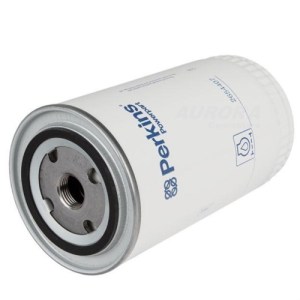 $27.52
Showing the single result
Generator maintenance is important for several reasons:
- Safety: A well-maintained generator is less likely to malfunction, preventing dangerous situations such as electrical fires or carbon monoxide leaks.
- Reliability: Regular maintenance ensures that your generator is running at optimal performance, which reduces the likelihood of breakdowns and improves the overall reliability of your generator.
- Longevity: Routine maintenance can extend the lifespan of your generator by identifying and addressing small issues before they become big problems.
- Cost-effective: Regular maintenance can save you money in the long run by preventing costly repairs and replacements.
- Compliance: Some generators must be inspected by regulatory bodies. Skipping those services may be a violation of the law.
- Fuel Efficiency: Properly maintained generators use less fuel, have fewer emissions and are more environmentally friendly.
Some common questions and answers about generator maintenance include:
Q: How often should I have my generator serviced?
A: The recommended service intervals vary depending on the manufacturer and model of your generator. Typically, it is recommended to have your generator serviced every 250-500 hours of operation or every 12-24 months, whichever comes first.
Q: What should be included in a generator maintenance service?
A: A typical generator maintenance service includes an inspection, oil and filter change, air filter replacement, battery check, and overall system check.
Q: Can I perform maintenance on my generator myself?
A: Some tasks, such as checking oil levels and replacing air filters, can be performed by the owner. However, it’s highly recommended to consult with a professional for proper and safely maintenance.
Q: How can I schedule maintenance for my generator?
A: You can contact your generator manufacturer or a local generator service company to schedule maintenance.
You must be logged in to post a comment.