
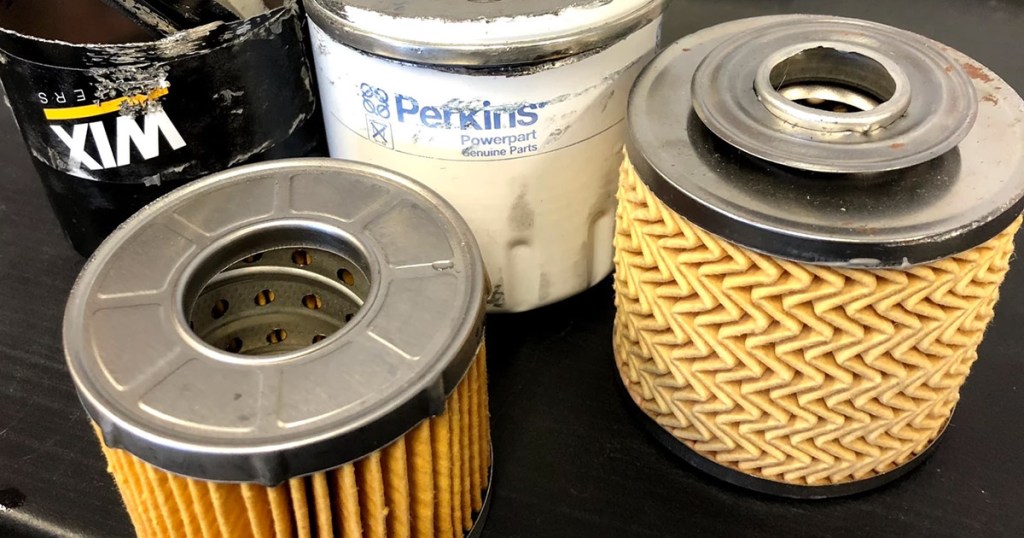
Unmasking the Hidden Dangers of Generic Filters
In the realm of mechanical precision and engine maintenance, the saying “All filters are not the same” rings true with remarkable clarity. This became evident when we recently acquired a batch of supposedly compatible filters intended as replacements for the renowned Perkins filters. However, upon subjecting these filters to closer scrutiny by dissecting them, it became glaringly apparent that they bore little resemblance to their counterparts. The stark differences in construction, materials, and engineering were undeniable.
In an era where cost-cutting measures often dictate decisions, the allure of purchasing aftermarket parts at a fraction of the price might seem tempting. After all, who wouldn’t want to save a few bucks while still keeping their machinery operational? Yet, this seemingly economical choice can swiftly turn into a detrimental one, particularly when dealing with critical components like engine filters. The unfortunate reality is that opting for aftermarket parts, especially for crucial engine components, can potentially spell disaster for the very machinery they are meant to support.
Enter the remarkable Perkins diesel engines, a testament to engineering prowess and durability. With the ability to sustain operations for up to 500 hours between oil changes, these powerhouses showcase their tenacity and efficiency. To put this in perspective, envision the average highway driving scenario, where a vehicle cruises at 60 miles per hour. Over 500 hours of such operation, the engine covers an impressive distance of 30,000 miles. This remarkable feat becomes even more awe-inspiring when considering the 1800 revolutions per minute at which these engines work tirelessly.
Amidst this backdrop of technical marvel, it becomes increasingly evident that not all engine components are created equal. A clear example of this lies in the oil filter, a seemingly small and often overlooked part. However, this unassuming element plays a pivotal role in maintaining the engine’s health and longevity. It filters out contaminants, ensuring that only clean oil circulates through the engine, thus protecting against wear and damage.
The divergence between genuine Perkins parts and their aftermarket counterparts is not merely a matter of branding or aesthetics; it represents a stark contrast in quality, precision, and engineering. The right filter isn’t just an accessory; it’s a guardian of your engine’s well-being. The cautionary tale of the aforementioned filters underscores the critical importance of investing those extra dollars to procure the correct, high-quality filter designed specifically for your generator.
In a world where every cog in the intricate machinery plays an indispensable role, cutting corners can lead to a cascade of unforeseen consequences. When it comes to engine filters, this cautionary tale serves as a reminder that precision and reliability should never be compromised. The allure of saving money pales in comparison to the potential costs incurred by damage to a valuable engine. So, the next time you’re faced with a choice between genuine parts and their aftermarket alternatives, remember the lesson learned from the unassuming oil filter: quality and compatibility are paramount, ensuring that your machinery continues to thrive even under the most demanding conditions.
Share this:
- Click to print (Opens in new window) Print
- Click to email a link to a friend (Opens in new window) Email
- Click to share on Facebook (Opens in new window) Facebook
- Click to share on LinkedIn (Opens in new window) LinkedIn
- Click to share on Reddit (Opens in new window) Reddit
- Click to share on Pinterest (Opens in new window) Pinterest
- Click to share on Threads (Opens in new window) Threads
- Click to share on X (Opens in new window) X
- Click to share on Bluesky (Opens in new window) Bluesky
You must be logged in to post a comment.