
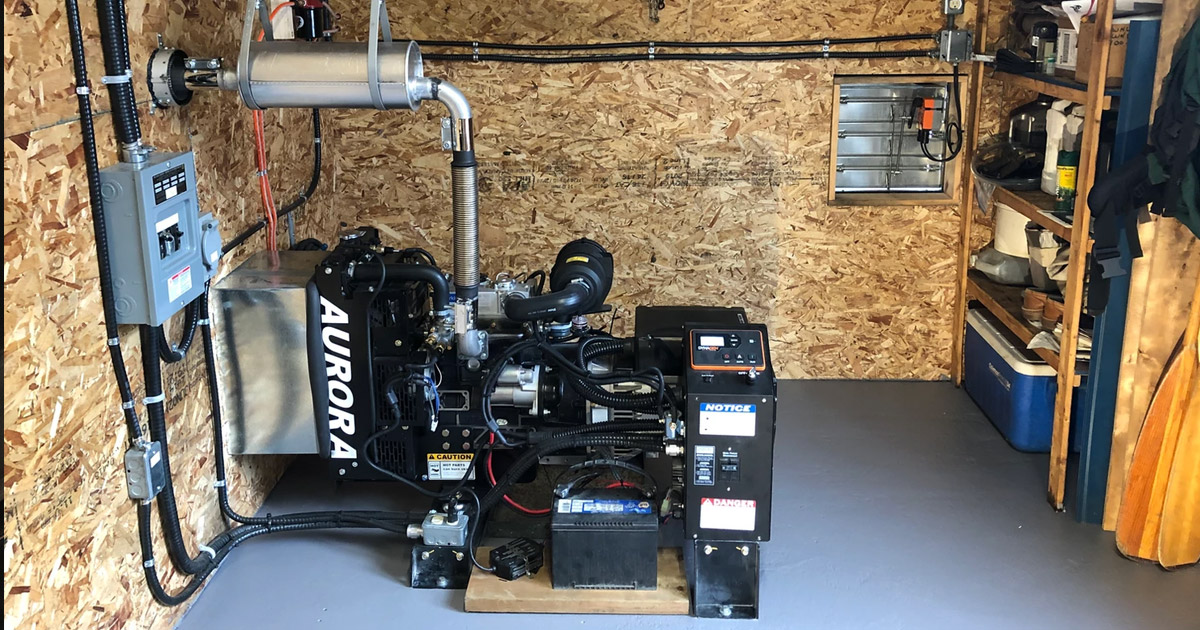
Have you considered installing a generator indoors? Many have, and for a good reason. Indoor generator installations have many benefits over outdoor installations. Some common reasons for installing a power generator indoors are for improved security, safety, and noise reduction.
When installing a generator indoors, a typical generator enclosure is often unnecessary. Enclosures and sub-base fuel tanks are heavy and expensive. With a generator installed indoors, more cost-effective options are available. The indoor environment offers better protection; you must ensure it complies with building codes and safety regulations for everyone in or around the structure.
We will begin with some common tips and considerations that should be fundamental knowledge and then explore them in more detail.
- Understand the Risks – Before proceeding with an indoor installation, it’s crucial to understand the risks involved. Any fuel-burning engine produces carbon monoxide (CO), a colourless, odourless gas that can be deadly if not properly ventilated. While diesel engines produce far less than gas generators, it is still a concern. They also generate heat and require proper electrical connections to avoid fire hazards and electrocution.
- Choose the Right Location – Selecting an appropriate location within the building is paramount. The chosen area should be well-ventilated, away from living or working spaces, and compliant with local building codes. It’s essential to ensure that the generator is at least 5 feet away from any openings in walls and structures with combustible walls to prevent the accumulation of exhaust fumes.
- Ensure Adequate Ventilation – Adequate ventilation is non-negotiable for indoor diesel generator installations. The space should allow for the removal of heat and exhaust gases the generator produces. Consider installing exhaust fans and ducts that direct the exhaust outdoors, ensuring it does not re-enter the building or affect neighbouring properties.
- Install Carbon Monoxide Detectors – Given the risk of carbon monoxide poisoning, installing CO detectors in and around the generator room and adjacent areas is a safety measure that cannot be overlooked. These detectors will alert you to dangerous CO levels, allowing for prompt action to prevent poisoning.
- Use Proper Fuel Storage Techniques – Fuel storage is another critical consideration—store diesel fuel outside living areas in properly labelled, non-glass safety containers. Ensure the storage area is well-ventilated and away from ignition sources to prevent fire hazards.
- Ground the Generator – Proper generator grounding is essential to avoid electrical shocks and electrocution. Follow the manufacturer’s guidelines and local electrical codes to ensure the generator is correctly grounded.
- Install a Transfer Switch – Connecting the generator directly to your home or business’s electrical system with a transfer switch can be safe. A transfer switch allows for the safe transfer of power from the generator to the building’s electrical system, preventing back-feeding, which could endanger utility workers and damage the generator.
- Regular Maintenance and Inspection – Regular maintenance and inspection are crucial to ensure the generator operates safely and efficiently. Follow the manufacturer’s maintenance schedule for tasks such as oil changes, filter replacements, and system checks. Inspect the generator regularly for signs of wear, leaks, or corrosion.
- Professional Installation – Considering the complexities and risks associated with installing a diesel generator indoors, hiring professionals is advisable. A qualified electrician and HVAC technician can ensure that the electrical connections, ventilation, and exhaust systems meet safety standards and local codes.
Customer Photos
Share this:
- Click to print (Opens in new window) Print
- Click to email a link to a friend (Opens in new window) Email
- Click to share on Facebook (Opens in new window) Facebook
- Click to share on LinkedIn (Opens in new window) LinkedIn
- Click to share on Reddit (Opens in new window) Reddit
- Click to share on Pinterest (Opens in new window) Pinterest
- Click to share on Threads (Opens in new window) Threads
- Click to share on X (Opens in new window) X
- Click to share on Bluesky (Opens in new window) Bluesky