
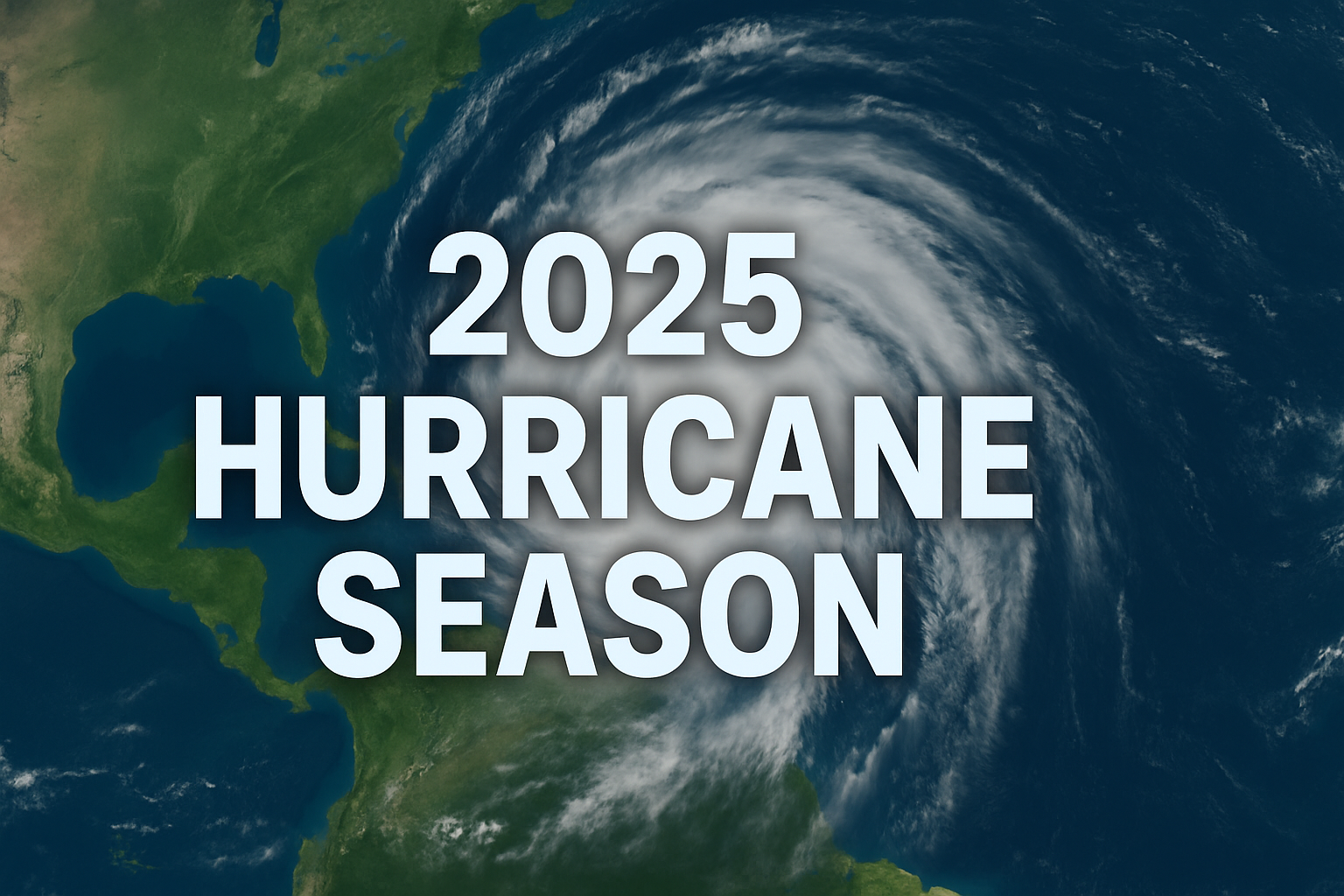
NOAA predicts above-normal 2025 Atlantic hurricane season

Based on expert analysis from NOAA, Colorado State University, and insights from the BBC and Red Cross, forecasts indicate an above-average 2025 Atlantic hurricane season.
This prediction is driven by several factors, including warmer-than-average Atlantic Ocean temperatures, expected neutral or weak La Niña conditions in the Pacific, and favourable wind patterns like low wind shear.
Forecasters anticipate a range of 13 to 19 named storms, with a significant number potentially reaching hurricane or major hurricane strength, emphasizing the critical need for residents in vulnerable areas to prepare thoroughly regardless of the exact number of storms predicted. The reports also highlight ongoing efforts to improve forecasting models and communication for the upcoming season, which officially runs from June 1 to November 30.
Review of 2025 Atlantic Hurricane Season Forecasts and Hurricane Preparedness
As the 2025 Atlantic hurricane season approaches its peak, multiple leading meteorological sources are forecasting an above-average season. Influenced by warm ocean waters and shifting climate patterns, this year’s predictions suggest increased storm frequency and intensity compared to the long-term average. This makes personal and community preparedness more important than ever—for both coastal and inland residents.
Forecast Highlights for 2025
- NOAA and BBC Weather expect an “above-normal” season.
- Colorado State University’s April 2025 forecast predicts:
- 17 Named Storms (average: 14.4)
- 9 Hurricanes (average: 7.2)
- 4 Major Hurricanes (average: 3.2)
- Accumulated Cyclone Energy (ACE): 155 (average: 123)
- NOAA gives a 70% confidence range of:
- 13–19 Named Storms
- 6–10 Hurricanes
- 3–5 Major Hurricanes
- The probability of major hurricane landfall in the U.S. and Caribbean is above historical averages, though forecasts do not predict specific landfalls.
Climate Conditions Driving the Forecast
Several environmental factors are contributing to the high-activity forecast for 2025:
- Sea Surface Temperatures (SSTs): Warmer-than-normal SSTs in the tropical Atlantic promote storm formation and intensification.
- ENSO (El Niño–Southern Oscillation): The Pacific is transitioning from weak La Niña to ENSO-neutral conditions. Both patterns typically reduce wind shear over the Atlantic, favoring storm development.
- West African Monsoon: Tropical waves from this region can seed strong Atlantic hurricanes, especially when the monsoon shifts northward.
- Atlantic Meridional Mode (AMM): A positive AMM phase, with reduced trade winds and warmer tropical waters, supports more hurricane activity.
How Hurricanes Form
According to NOAA and other sources, hurricanes require:
- Ocean temperatures of at least 26.5°C (80°F) down to 50 meters
- Thunderstorm activity and mid-level moisture
- Low vertical wind shear (minimal changes in wind speed or direction with altitude)
These storms start as disturbances, such as tropical waves, and grow as warm ocean air fuels a cycle of rising air, pressure drops, and storm intensification. A tropical cyclone becomes a hurricane when sustained winds reach 74 mph.
Hurricane Impacts: Coastal and Inland Threats
Hurricanes pose a wide range of hazards:
- Storm Surge: A temporary rise in sea level during a hurricane can flood coastal areas. Surge severity depends on storm speed, ocean floor shape, coastline geometry, and wind direction.
- Wind Damage: High winds can destroy buildings, knock down trees and power lines, and send debris flying.
- Flooding: Both coastal and inland flooding can occur from heavy rains and storm surge. Inland areas may see rivers and streams overflow, cutting off access and damaging infrastructure.
- Extended Power and Utility Outages: Weeks-long outages are possible, especially in remote or hard-hit areas.
Injuries and deaths often result from drowning, structural collapses, and improper generator use.
Preparedness is Critical
Authorities like FEMA and Ready.gov stress the importance of acting before storms strike. Below are essential steps for preparing for hurricane season:
Stay Informed
- Sign up for local alerts.
- Use NOAA Weather Radio for continuous updates.
- Understand the difference:
- Watch: Possible hurricane conditions within 48 hours
- Warning: Expected hurricane conditions within 36 hours
Make an Evacuation and Shelter Plan
- Know evacuation routes and shelter options.
- Prepare a “go bag” with essentials: food, water, medications, documents, and supplies for pets.
- Ensure your vehicle has at least half a tank of gas.
Establish Emergency Communication
- Designate an out-of-town contact.
- Write down important numbers and practice your plan with family members.
Stock Emergency Supplies
- Three days of non-perishable food and water per person
- Flashlights, batteries, first-aid kits, hygiene products
- Protective gear, blankets, and items for infants or pets
Protect Your Property
- Reinforce doors, windows, and roofs.
- Trim trees and secure outdoor objects.
- Install sump pumps and sewer backflow valves.
- Waterproof basements and elevate electrical systems if flood-prone.
Consider Flood Insurance
Standard homeowners insurance does not cover flood damage. Policies through the National Flood Insurance Program (NFIP) take 30 days to activate—so don’t delay.
What to Do During and After a Hurricane
During:
- Evacuate immediately if instructed by local authorities.
- Stay indoors in an interior, windowless room on the lowest safe level.
- Never walk or drive through floodwaters—Turn Around, Don’t Drown.
- Keep generators outside, at least 20 feet from any doors or windows.
After:
- Return only when authorities declare it safe.
- Check for structural damage and downed power lines.
- Boil or purify water before drinking if contamination is suspected.
- Discard perishable or flood-exposed food.
- Use gloves and sturdy footwear when cleaning up debris or mud.
Forecasting Methods and Limitations
Seasonal forecasts like those from NOAA and CSU rely on computer models, historical patterns, and real-time ocean and atmospheric data. While these forecasts are increasingly accurate, they are not landfall predictions. Local impacts depend on storm paths that can only be determined days in advance.
Conclusion
The 2025 Atlantic hurricane season is shaping up to be more active than normal, and residents across coastal and inland regions should not be complacent. Preparedness can reduce injury, loss of life, and property damage. By understanding the climate drivers behind hurricane activity and following expert preparedness advice, individuals and communities can increase their resilience and response readiness.
To explore reliable backup power solutions and learn more about how Aurora Generators can support your emergency planning, visit AuroraGenerators.com.
Share this:
- Click to print (Opens in new window) Print
- Click to email a link to a friend (Opens in new window) Email
- Click to share on Facebook (Opens in new window) Facebook
- Click to share on LinkedIn (Opens in new window) LinkedIn
- Click to share on Reddit (Opens in new window) Reddit
- Click to share on Pinterest (Opens in new window) Pinterest
- Click to share on Threads (Opens in new window) Threads
- Click to share on X (Opens in new window) X
- Click to share on Bluesky (Opens in new window) Bluesky